
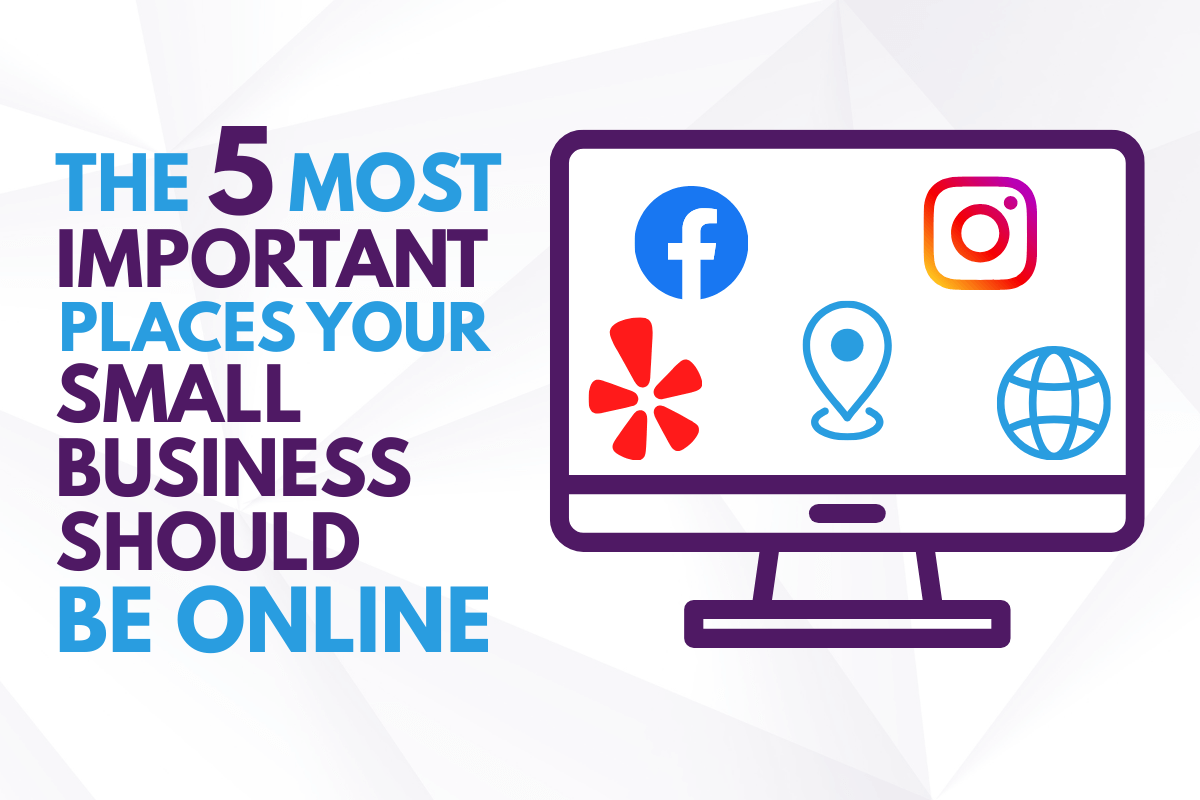
As a small business owner, you’ve likely heard it before: get your business online. But what does that actually mean? You don’t need to be everywhere — just in the right places.
Whether you’re just getting started or cleaning up your digital presence, here are the five online platforms every local business should prioritize to be visible, build trust, and attract new customers.
1. Google Business Profile
If you only choose one platform, make it this one. Google Business Profile (formerly Google My Business) powers your business listing in Google Search and Google Maps — which is where most people start their search.
Whether you’re a local shop, service provider, or even a real estate agent, having a Google Business Profile helps you show up when potential clients search for what you offer — especially with phrases like “realtor near me” or “best dog groomer in [your city].” For realtors, it’s also one of the best ways to build local visibility, showcase client reviews, and stand out from the crowd — even if you’re part of a large brokerage.
What to include:
- Accurate hours and contact info
- Services or products you offer
- Photos of your space, work, or listings
- Regular updates and review responses
Pro tip: Businesses with complete profiles are more likely to show up in local results — and look more trustworthy. That’s true for real estate professionals too — those with active, review-rich profiles often appear above personal websites in search results.
2. Your Website
Social media is great, but your website is the only place you truly own. It acts as your digital home base and a hub for everything else.
At a minimum, your website should include:
- A clear description of what you do
- Contact info (with a clickable phone number and email)
- Your service area or location
- A call to action (book, call, shop, etc.)
- Links to your social platforms
Bonus: A website also helps your business show up in search results, especially when optimized for local SEO.
3. Facebook Business Page (Not Your Personal Profile!)
Facebook is still one of the most-used platforms for checking out local businesses — especially for recommendations, reviews, and event info. Even if you’re not posting daily, having a business presence on Facebook helps people find and trust you.
But here’s where it gets confusing: not all Facebook pages are created equal. Let’s break it down:
Personal Profile
This is your main Facebook account — the one you use to connect with friends, post vacation pics, and join groups. Facebook expects you to keep personal profiles for personal use, so using yours to promote your business might go against their terms of service.
Personal Page (aka Professional Mode or Public Figure Page)
This is still tied to your personal profile but allows you to post publicly, gain followers, and see insights — great for creators, influencers, or coaches building a personal brand. However, it’s not ideal for brick-and-mortar or service-based businesses because it lacks all the business tools like reviews, location info, or ad management.
Facebook Business Page
This is what every business should have. It’s a free, public-facing page dedicated to your company that shows up in Facebook search results. It’s also the only page type that:
- Lets customers leave reviews
- Shows business hours, contact info, and location
- Connects with tools like Meta Ads and Instagram Business profiles
- Allows multiple admins or collaborators to help manage it
What to include on your Facebook Business Page:
- A recognizable profile photo (usually your logo)
- A cover image that reflects your business (location, product, vibe)
- A description of what you do and who you serve
- Up-to-date contact info and business hours
- Occasional posts, updates, or promotions to show you’re active
- A link to your website or booking tool
Pro tip: Even if you don’t use Facebook often, just having a complete and current Business Page makes it easier for customers to tag you, leave reviews, and share your info.
4. Yelp (or an Industry-Specific Directory)
Yelp still carries weight, especially for restaurants, salons, service providers, and health/wellness businesses. For others, it might be a niche directory (like Zillow, Houzz, Thumbtack, or Alignable).
Claim your listing and:
- Add detailed business info and images
- Respond to reviews (both good and bad)
- Keep it up to date, especially your hours
Claiming your listing also prevents someone else from filling it in incorrectly.
5. Instagram (or the Social Platform Your Customers Use Most)
Instagram is ideal for visual businesses — retail, fitness, food, creatives, and real estate. But it’s not the only option. The key is choosing the platform your audience is already on and showing up there with intention.
Visual platforms like Instagram (and increasingly TikTok or Facebook Reels) give you a place to show your business in action, not just talk about it. Plus, in a world full of choices, images help build trust and connection faster than a paragraph of text ever could.
For real estate professionals, this is especially powerful:
- Listing photos can capture attention before people ever read the description
- Neighborhood highlights and behind-the-scenes walkthroughs build familiarity
- Face-to-camera videos (even quick story updates) make you more approachable
Wherever you are online, aim to:
- Post content that shows your work, personality, or values
- Use location and service-based hashtags (like #denverrealestate or #firsttimehomebuyer) to help people in your area find you
- Add multiple links to your Instagram bio — a built-in feature that’s great for small businesses
- Consider a link-in-bio tool (like Linktree or Beacons) if you want more customization, branded design, or analytics to track what people are clicking
You don’t have to go viral — just be findable, relatable, and real. Showing up consistently and authentically is what builds trust over time.
Final Thoughts
You don’t need to master every social platform or build a complicated website to get results online. Start by ensuring your business is visible, your content is consistent, and you are easy to contact in these five places. That alone can set you apart from competitors and help new customers find you faster.
Is your business showing up where it should?
I’m happy to take a quick look and offer a few pointers — no pressure, just helpful feedback. Reach out today.
Be Distinct. Build Awareness. Grow Your Small Business.
Discover more from CGL Marketing | Digital Marketing for Small Business
Subscribe to get the latest posts sent to your email.
